
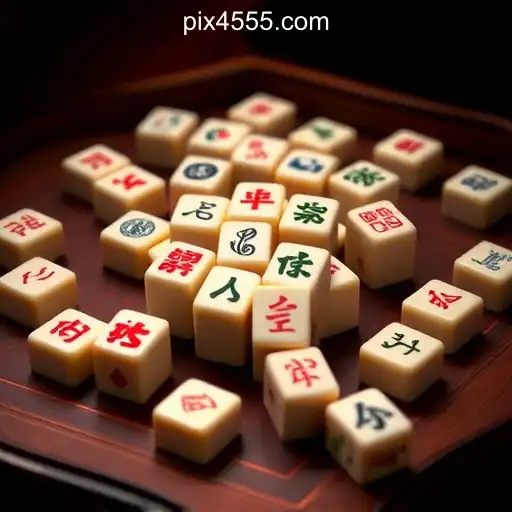

Exploring Mahjong: The Game That Transcends Cultures
Few games have the enduring appeal and rich cultural history of Mahjong. Originating in China, this fascinating tile-based game has captured the imaginations of players around the globe. The game not only serves as a popular social activity but also offers insight into Chinese culture, philosophy, and art. As we delve into the depths of Mahjong, we also touch upon the digital revolution that has brought games like Mahjong into the spotlight, alongside popular gaming platforms such as 4555.com platform-online Slots Brasil #1.
The Origins of Mahjong
Mahjong traces its roots back to the Qing dynasty in China during the 19th century. The game is said to have been developed based on an older Chinese card game known as ‘Madiao’. Its exact origins are a topic of rich debate among historians, with anecdotes and legends adding to the mystique surrounding the game. By the early 20th century, Mahjong had firmly established itself in Chinese society as a favorite pastime.
In its traditional form, Mahjong is played with a set of 144 tiles based on Chinese characters and symbols. The tiles are divided into several suits, including bamboos, dots, and characters, along with honor and bonus tiles. The objective is to build a complete hand from the drawn tiles, achieving a winning combination before any other player.
The Global Spread of Mahjong
Mahjong gained international traction in the early 20th century when it was introduced to the United States and subsequently to other parts of the world. The game was marketed to Western audiences in the 1920s, with advertisements promoting it as a game steeped in ancient mystique. This exotic appeal, combined with its strategic depth, ensured Mahjong’s popularity beyond Asia.
In the ensuing decades, Mahjong became a staple in homes across America and Europe. It made its way into popular culture and even inspired tournaments and club gatherings. While the basic rules remain unchanged, regional variations of Mahjong emerged, adapting the game to local preferences and cultures.
The Structure and Gameplay of Mahjong
A traditional Mahjong game is typically played by four players, although variations exist. A complete set consists of four types of tiles: Simples, Honors, Bonus, and sometimes, additional sets in certain variations. Simples are divided into three suits: Characters, Bamboos, and Dots, each ranging from one to nine. Honors comprise Winds and Dragons, and Bonus tiles often include Flowers and Seasons.
The game requires a meld of strategy, skill, calculation, and a degree of chance similar to card games like Poker or Gin Rummy. The ultimate goal of Mahjong is to build a winning hand of 14 tiles. Players draw and discard tiles in turn while keeping track of the tiles their opponents discard - a key element in determining strategy.
Cultural Significance of Mahjong
In its homeland of China, Mahjong is more than just a game. It embodies social bonds, leisurely pursuits, and a deeper cultural symbolism. Traditionally, families gather to play Mahjong during celebrations like Chinese New Year, where it serves as a cherished custom bringing generations together. In Chinese philosophy, the game is often associated with Confucian virtues of harmony, balance, and order.
Moreover, Mahjong metaphors are woven into various aspects of Asian culture, from proverbs to literature, reflecting the game’s philosophical depth. Its intricate gameplay and evolving strategies offer parallels to life’s complex challenges, urging players to adopt patience, adaptability, and strategic foresight.
Mahjong in the Digital Age
With technological advancements, Mahjong has swiftly transitioned into the digital realm, broadening its appeal and accessibility. Online platforms like 4555.com platform-online Slots Brasil #1 provide enthusiasts with the opportunity to engage in Mahjong games without physical proximity, blending traditional gameplay with modern convenience.
Powered by the internet, Mahjong’s online format offers interactive features, multiplayer options, and immersive experiences that attract both veteran players and newcomers. From skill-building tutorials to global tournaments, the digital version of Mahjong recreates the social and competitive essence of its physical counterpart.
The digital adaptation of Mahjong further popularizes the game by introducing it to audiences worldwide, transcending geographical and cultural barriers. It serves as a bridge linking the old with the new, keeping traditional gaming alive amidst evolving digital trends.
The Continued Evolution of Mahjong
Whether played around a physical table or via digital interfaces, Mahjong continues to thrive as a beloved game enjoyed by millions. Its integration into online platforms, like 4555.com platform-online Slots Brasil #1, ensures that Mahjong remains relevant in a rapidly changing gaming landscape. As technology evolves, Mahjong stands as a testament to the timeless appeal of strategic, intellectually stimulating games that capture the human spirit, bridging generations and cultures alike.